Akkermansia: The Newest Gut Strain on the Trimoryn Label
Akkermansia muciniphila is a gut bacterium that feeds on the mucus lining. A small 2019 pilot gave 32 adults 10 billion CFU a day for three months and found metabolic improvements, mainly with pasteurized cells. EFSA has cleared pasteurized Akkermansia as a novel food. Trimoryn lists 1 billion CFU with no strain name or live-versus-pasteurized statement.
A bacterium most ingredient lists skipped until recently
Look down a Supplement Facts panel from ten years ago and the probiotic line, if there was one, almost always read Lactobacillus or Bifidobacterium. Akkermansia muciniphila is a newer addition to that shelf, and it shows up on the back of the Trimoryn bottle at 1 billion CFU, sharing the last line of the panel with Bifidobacterium breve at the same amount.
Newer does not mean untested, and it does not mean proven either. This piece walks through what the organism actually is, the human trial its reputation mostly rests on, why a European food safety agency had to formally clear it before it could appear in supplements at all, and the honest distance between that one small trial and a billion-CFU line on a capsule label.
What Akkermansia muciniphila actually is
Akkermansia muciniphila is a bacterium that lives in the human gut, discovered and named in the early 2000s. It is not a stranger the way an exotic plant extract might be; in a healthy adult gut it can make up a meaningful share of the resident bacterial population, often around 1 to 3 percent, sometimes more.
What sets it apart from familiar names like Lactobacillus is where it chooses to live and what it eats. Most gut bacteria feed on fiber that passes through undigested. Akkermansia feeds on mucus, specifically the mucin that lines the gut wall, which is an unusual enough niche that researchers spent years working out how it fits into a healthy gut at all.
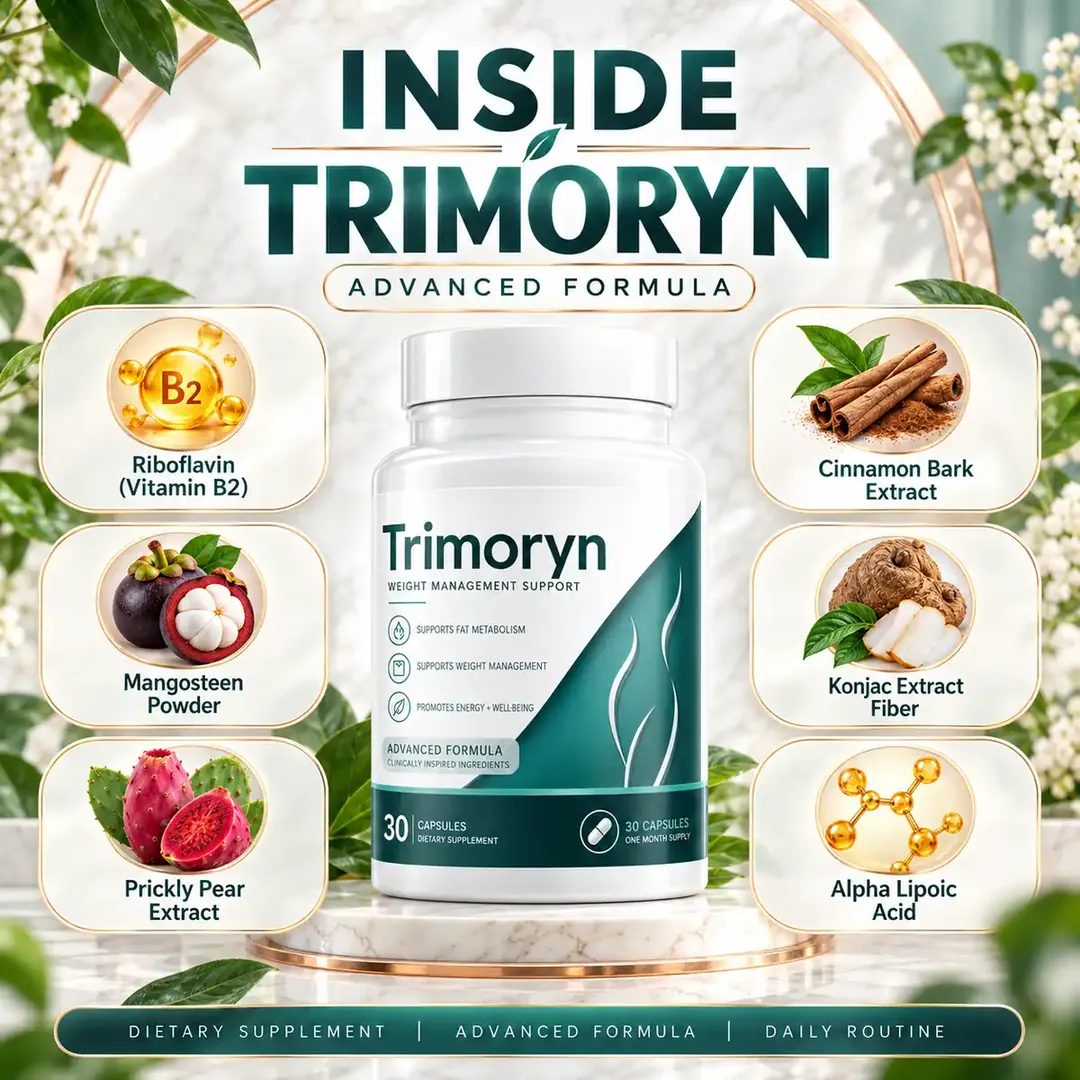
The seller artwork on this product names six ingredients and pictures none of the two live cultures. Akkermansia and Bifidobacterium breve are both printed on the bottle itself, just left out of the marketing graphic. More on that gap in the full ingredient breakdown.
The mucus layer it lives in
The gut wall is coated in a layer of mucus, and that layer is not just a passive barrier. It is a buffer zone between the trillions of bacteria living in the gut and the single layer of cells that separates the inside of the gut from the rest of the body.
| Part | Role |
|---|---|
| Mucus layer | A protective coating over the gut wall, made largely of mucin |
| Mucin | The specific protein-sugar molecule that makes up mucus, and what Akkermansia feeds on |
| Gut wall cells | The barrier the mucus layer protects; thinning of this layer has been linked to gut permeability |
By feeding on mucin, Akkermansia also helps stimulate the gut to produce more of it, in something close to an upkeep cycle. That relationship, an organism that eats the very lining it depends on and appears to help maintain it, is the main reason researchers became interested in Akkermansia beyond simple curiosity. A thinner, patchier mucus layer has been observed alongside obesity and metabolic disease in various studies, and the organism most associated with that layer’s upkeep became a natural next thing to test directly in people.
The 2019 pilot trial, in plain terms
Researchers ran a randomized, double-blind, placebo-controlled trial in 32 overweight or obese adults with insulin resistance. Volunteers took either live or pasteurized Akkermansia muciniphila, at 10 billion CFU a day, for three months, compared against a placebo group (Depommier et al., 2019).
The pasteurized form, cells that had been heat-treated rather than kept alive, produced the clearer results: insulin sensitivity improved by about 28.6%, insulinemia (circulating insulin) dropped about 34.1%, and total cholesterol fell about 8.7%, all compared with placebo. Body weight fell too, by an average of 2.27 kg, but that particular result did not reach statistical significance (p = 0.091), meaning it could plausibly have been chance.
The trial was also small and short by the standards of most nutrition research: 32 people is a modest sample, and three months is enough to see early metabolic shifts but not enough to know whether benefits persist, fade or grow over years of use. The researchers themselves described it as a proof-of-concept, exploratory study, language that signals a first look rather than a settled result. No participant dropped out because of an adverse event, which is a genuinely reassuring safety note even from a trial this size.
Why a European food agency had to weigh in
A new bacterial strain cannot simply appear in food or supplements sold in the European Union without clearance first. Because Akkermansia muciniphila had no history as a food ingredient before recent years, it fell under the EU’s novel food rules, which require a formal safety review before it can be sold that way at all.
In 2021, the European Food Safety Authority’s panel on novel foods published its opinion. It described pasteurized Akkermansia muciniphila as a well-characterized, non-toxin-producing organism, naturally present in the human gut, and concluded it is safe for use as a novel food ingredient in supplements and specialized medical foods under the specific conditions the panel assessed (EFSA et al., 2021).
That opinion is a safety clearance, not an endorsement of any particular benefit. It tells you the organism, at the pasteurized form and conditions EFSA reviewed, is not considered a safety risk to eat. It does not tell you what dose a product needs, how long you would need to take it, or that any specific label delivers what the opinion evaluated.
Strain names and live-versus-pasteurized, and why they matter
Two details decide almost everything about whether a probiotic label can be trusted to deliver what a study found, and this label answers neither of them.
- Strain designation: bacterial species can behave very differently strain to strain. The 2019 pilot used a specific, characterized strain of Akkermansia; this label names only the species, Akkermansia muciniphila, with no strain code
- Live or pasteurized: the pilot's clearer results came from pasteurized cells, not live ones. This label does not state which form its cultures are in
That second point is easy to miss and worth sitting with. Most people assume a probiotic needs to arrive alive to do anything, and marketing copy across the industry leans on that assumption. The 2019 trial complicates it directly: the pasteurized, dead-cell version outperformed the live version on the measured outcomes. Whether a given capsule’s cultures are alive, dead, or somewhere in between by the time you swallow them is not a detail this label discloses, and it is exactly the detail that trial says matters most.
The same two gaps apply to Bifidobacterium breve on the same panel. No strain code is given for either culture, so neither can be tied to a specific published study with any confidence.
The gap between one pilot trial and a billion CFU on a label
| Detail | The 2019 pilot trial | Trimoryn's label |
|---|---|---|
| Dose | 10 billion CFU/day | 1 billion CFU |
| Form | Live or pasteurized, tested separately | Not stated |
| Strain | A specific characterized strain | Not stated |
| Duration studied | 3 months | Not specified on label |
| Sample size | 32 adults | n/a (retail product) |
One billion CFU is one tenth of the dose the pilot trial used. That does not mean the ingredient does nothing at this amount; dose-response relationships for probiotics are not always linear, and no trial has tested 1 billion CFU of this specific organism to say what, if anything, it does at that level. It means the specific 28.6% insulin-sensitivity result, the 34.1% insulinemia drop, and the cholesterol change from that pilot were measured at ten times this label’s amount, in a different form that is not disclosed here, using a strain that is not named here. None of those results transfers automatically to this capsule.
Being fair to the other side of this: one proof-of-concept trial in 32 people, whatever its result, was never going to be enough evidence to build an entire category of supplement claims on. The honest position is that Akkermansia is a promising, actively studied organism with one small positive signal behind it, not a settled ingredient with a known effective dose.
Bifidobacterium breve, briefly
Bifidobacterium breve shares the last line of the panel with Akkermansia, also at 1 billion CFU, and it deserves its own brief note rather than a shrug.
A 2015 randomized controlled trial gave adults with obese tendencies a specific strain, Bifidobacterium breve B-3, at roughly 50 billion CFU a day for 12 weeks. That group showed significantly lower body fat mass than the placebo group by week 12, along with some favorable shifts in liver- and inflammation-related blood markers (Minami et al., 2015).
The pattern here is the same one seen with Akkermansia: a real trial exists, it used a named strain at a specific dose, and this label names neither the strain nor states whether its Bifidobacterium breve matches the one that trial used. One billion CFU is also roughly a fiftieth of the dose that trial tested. Bifidobacterium as a genus has a much longer track record as a probiotic overall than Akkermansia does, which is worth something even where this particular strain question stays open.
None of this makes either culture a treatment for weight, blood sugar or any diagnosed condition, and nothing here should replace prescribed medicine or a clinician’s advice on managing a metabolic condition. For the rest of the panel and how its amounts compare with published research, see the ingredient breakdown and how each part is meant to work.
Questions readers ask
What is Akkermansia muciniphila?
A bacterium that lives in the human gut and feeds on mucin, the material that makes up the gut's protective mucus layer. It was named in the early 2000s and can make up a meaningful share of a healthy adult's gut bacteria.
What did the main human trial on Akkermansia actually find?
A 2019 pilot gave 32 overweight or obese adults with insulin resistance either live or pasteurized Akkermansia at 10 billion CFU a day for three months. The pasteurized form improved insulin sensitivity by about 28.6% and lowered insulinemia and cholesterol versus placebo; a weight change did not reach statistical significance.
Is pasteurized Akkermansia safe to eat?
The European Food Safety Authority reviewed pasteurized Akkermansia muciniphila under EU novel food rules and concluded it is safe for use in supplements and specialized medical foods under the conditions it assessed. That is a safety clearance, not a benefit claim.
Does it matter if a probiotic is live or pasteurized?
Yes, and it is not automatic that live is better. In the 2019 pilot, the pasteurized, heat-treated form produced the clearer metabolic results, outperforming the live form on several measures.
How much Akkermansia is in Trimoryn?
One billion CFU per capsule, about a tenth of the 10 billion CFU a day used in the 2019 pilot trial. The label does not state whether it is live or pasteurized, or which strain it is.
Why does the strain name matter for a probiotic?
Different strains of the same bacterial species can behave very differently. A study result belongs to the specific strain it tested, not automatically to every product listing that species by name alone.
What about Bifidobacterium breve on the same label?
A 2015 trial found benefits from a named strain, Bifidobacterium breve B-3, at about 50 billion CFU a day for 12 weeks. This label lists 1 billion CFU with no strain name, so the same gap applies.
Should I expect gut or weight benefits from these two cultures?
No specific outcome can be promised. The doses on this label are well below the amounts used in the trials discussed here, and neither culture is named down to the strain level, so the trial results cannot be assumed to carry over.
Keep reading
Before a meal or with food
Why Trimoryn's label says 15-30 minutes before a meal, fat- versus water-soluble absorption, and what to do if you take ...
Read →1,470% Daily Value, explained
Riboflavin at 25 mg reads as 1,470% DV on Trimoryn's panel. What that means, why there is no upper limit, the yellow uri...
Read →How much does Trimoryn cost?
Pack sizes, days of supply and how to pick the right one.
Read →Order Trimoryn from the authorized retailer
60 servings per bottle, 1 to 2 droppers a day. Kits of 2, 3 or 6 bottles run from $49 a bottle on the sales page, with a 60-day money-back guarantee. Questions first? Call +1 (323) 391-7425.