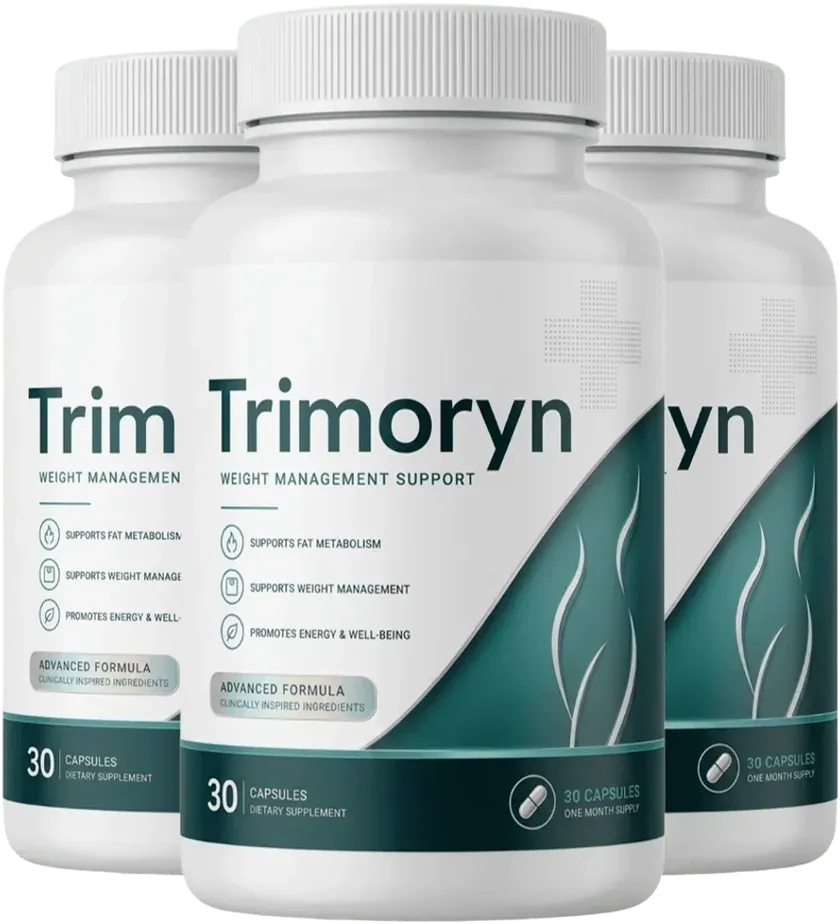
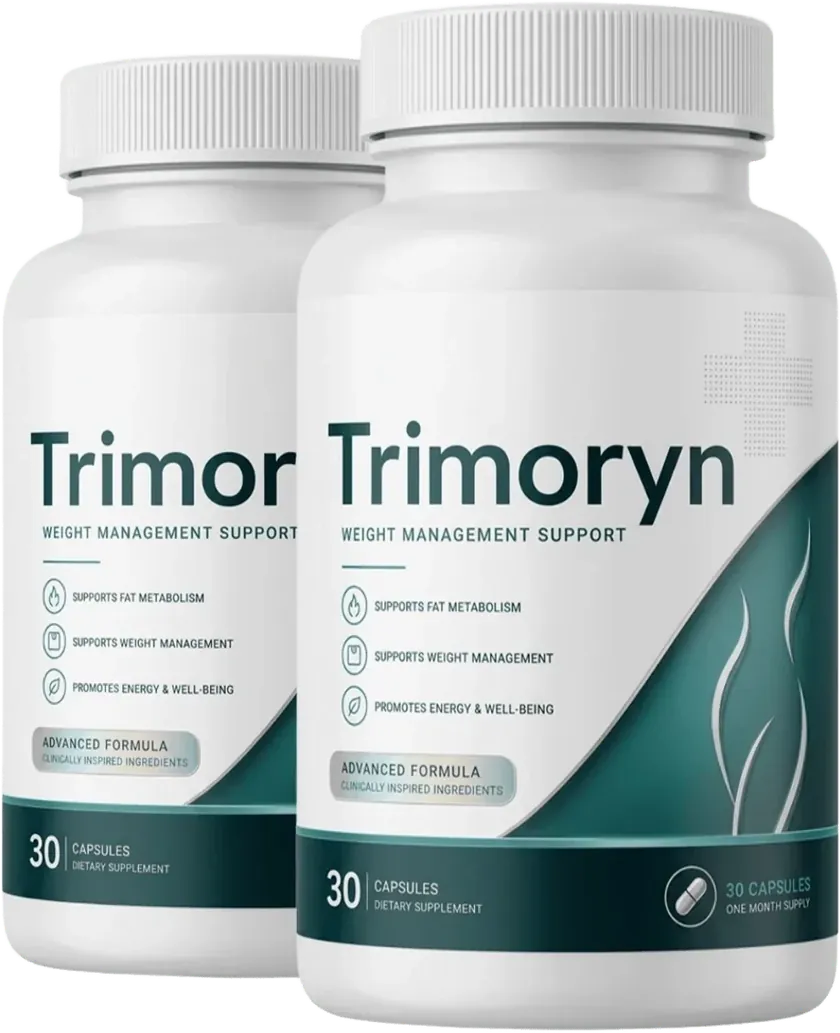
Trimoryn Batch and Certificate Verification
Lot TRI-26/MY-4506 and CoA reference TRI-4506-26-MY are draft references handed to us, not a lab result you can check against your own bottle, and this page says that plainly rather than dressing them up. It explains what a real certificate of analysis contains, how to read the codes on a bottle base, and what to do if a bottle looks wrong.
What TRI-26/MY-4506 actually is
Two codes appear in the material behind this site: a lot number, TRI-26/MY-4506, and a certificate reference, TRI-4506-26-MY. Neither one is attached to an actual laboratory report we have seen. They read like the kind of placeholder codes used to plan a label before a real batch and a real test exist, and we are not going to present them as more than that.
That is a different problem from a fake result. Nobody handed us a forged certificate; nobody handed us a certificate at all. What we have is two strings of characters that look right and cannot be traced to a lab, a test date or a set of results. Treat them the same way you would treat an unlabeled box: not necessarily wrong, just not yet confirmed.
Copy the reference above if you want to quote it back to the order desk. Copying it does not verify it; it just saves you re-typing a string of letters and numbers over the phone.
What a real certificate of analysis contains
A real certificate of analysis is a lab's own report on one specific batch, not a marketing document. It is usually a page or two, issued by the lab that ran the tests, and it says what was tested, when, and what came back.
| What it contains | Why it matters |
|---|---|
| The lab's name and accreditation | An ISO/IEC 17025-accredited lab is the baseline; without it, a result has no outside check on its own accuracy |
| The exact lot or batch number tested | A certificate for a different batch tells you nothing about the bottle in your hand |
| Identity testing | Confirms the plant or compound named on the label is actually what is in the capsule, not a substitute |
| Potency versus label claim | Confirms the amount printed, such as 25 mg of riboflavin, is close to what a lab measured |
| Heavy metals screen | Lead, arsenic, cadmium and mercury, each against a stated limit |
| Microbial testing | Yeast, mold, E. coli, Salmonella and total plate count, each against a pass/fail limit |
| Date the sample was tested | Tells you how fresh the result is relative to the batch's shelf life |
| A signature or named analyst | A person or lab standing behind the numbers, not an anonymous document |
None of this is exotic. It is the standard a contract lab produces for any batch it tests, and a company confident in its product usually makes it easy to find, often linked straight from the product page rather than requiring an email first.
Reading the lot and best-before on your own bottle
Reading the lot and best-before on a bottle base
Most supplement bottles carry two short codes stamped or ink-jetted on the bottom: a lot or batch code, tying the bottle to one production run, and a best-before or expiration date, usually written as a month and year.
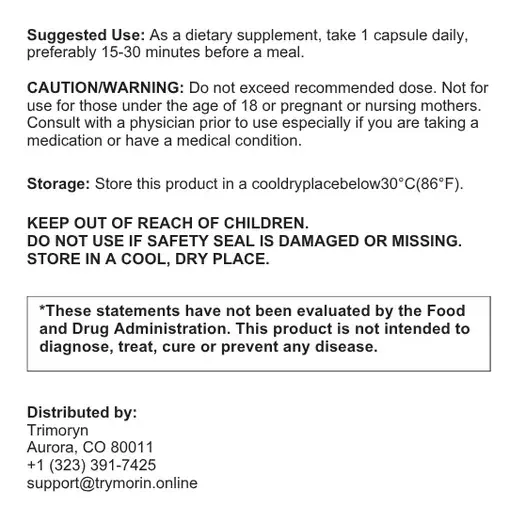
The label photo we were given does not show an expiry date anywhere on the front or back panel, and no manufacturing lot code is visible in that image either. That is not unusual for a front-and-back label photo, since both codes are commonly stamped on the base of the bottle instead, outside the printed label itself.
If your own bottle carries a code on its base, that is the one to read off and compare against your order, not the draft reference on this page. A code that looks garbled, missing entirely, or clearly does not match a date format at all is worth a call to +1 (323) 391-7425 before you take the first capsule.
Common lot and date code formats, and how to read them
Lot and expiry codes are not written the same way from one manufacturer to the next. There is no single federal format for either one on a dietary supplement, which is part of why a code that looks unfamiliar is not automatically a sign of a problem.
| Common format | What it usually means | How to read it |
|---|---|---|
| A date written as MM/YY or MM/YYYY | A best-before or expiry month and year | Read it directly: 03/28 would mean March 2028 |
| A short letter-and-number code (like this label's own TRI-26/MY-4506) | An internal lot or run identifier | Meaningful mainly to the manufacturer's own records, not something you decode yourself |
| A Julian date, three digits for the day of the year plus a two-digit year | A manufacturing date encoded by production-line software | Day 045 of 2026 would be mid-February 2026 |
| “EXP” or “BB” followed by a date | Explicitly marked expiry or best-before | Treat this one as the date not to use the product past |
If your bottle's base carries none of these, or a code that does not resemble any date format at all, that is worth mentioning when you call rather than guessing at what it means. The order desk can tell you what a given code on an actual shipped bottle is supposed to look like; this page can only describe the common patterns.
How to match an order by phone
Find your order confirmation
It carries the order ID from checkout, which is the fastest way to identify your specific purchase.Call +1 (323) 391-7425 or email [email protected]
Give the order ID first, then read out the lot code from your bottle's base if you want it checked against their records.Ask what that code should match
The order desk can tell you whether the lot on your bottle lines up with what shipped for your order, which is a more useful check than comparing it to a reference printed on any website.
What to do if a bottle looks wrong or the seal is broken
- The safety seal is broken, torn, or was already open when the box arrived: stop, do not take a capsule, and contact the order desk before deciding what to do with it.
- The capsules look a different color or size than you expected, or the count is visibly off from 30: photograph the bottle before opening or discarding anything.
- The bottle carries no lot code at all where one is usually stamped: note that when you call, since it is worth flagging even if nothing else looks wrong.
- The label wording does not match what is described on this site: send a photo to the order desk so it can be checked against the current print run.
In every one of those cases, the order desk on +1 (323) 391-7425 or [email protected] is the right first call, with your order ID ready. The website inbox at [email protected] handles pages and typos and cannot look up or replace an order.
Why this page says less than a batch page usually does
We would rather point out a gap than paper over it. A confident-looking batch code sitting on a product page can be more convincing than an honest blank space, which is exactly why we are not leaving it to speak for itself.
Nothing here says the product is untested. It says that the specific paperwork we can see does not amount to a lab result, and a reader deserves to know that distinction before deciding how much weight to put on it.
The seals printed on the artwork carry a similar gap, covered on the testing and quality page, and the full ingredient list with its printed amounts is on the ingredients page. Neither page invents a certificate that was not given to us.
Batch Verify: common questions
Is TRI-26/MY-4506 a verified lab batch?
No. It is a lot reference in the material we were given, with no laboratory report attached to it. We call it a draft reference rather than lab proof.
What is TRI-4506-26-MY?
A certificate-of-analysis reference number in the same material, also without a report we can point to. Treat it the same way as the lot number: unverified.
Where is the lot code on my actual bottle?
Usually stamped or printed on the base of the bottle, along with a best-before date. It is not visible in the label photo this site was built from.
Does my bottle need to match the lot on this page?
No. This page's reference is a draft, not a master record. Match your bottle's own code against your order through the order desk instead.
What should a real certificate of analysis include?
The testing lab's name and accreditation, the exact lot tested, identity and potency results, heavy metal and microbial screens, a test date, and a signature.
My safety seal was already broken when it arrived. What do I do?
Stop before taking a capsule and call +1 (323) 391-7425 or email [email protected] with your order ID and a photo if you can.
Who do I call to match an order to a lot?
The order desk, +1 (323) 391-7425 or [email protected], with your order ID ready. The website inbox at [email protected] cannot look up an order.
Keep reading
What do the seals on the artwork actually prove?
Each mark explained, including what it does not certify.
Read →What is actually in one capsule?
Every one of the eleven printed amounts, identified plainly.
Read →Who do I call about my specific order?
The order desk versus the website inbox, and what each one can do.
Read →Order Trimoryn from the authorized retailer
60 servings per bottle, 1 to 2 droppers a day. Kits of 2, 3 or 6 bottles run from $49 a bottle on the sales page, with a 60-day money-back guarantee. Questions first? Call +1 (323) 391-7425.