Fiber Supplements and Water: What Glucomannan Actually Needs
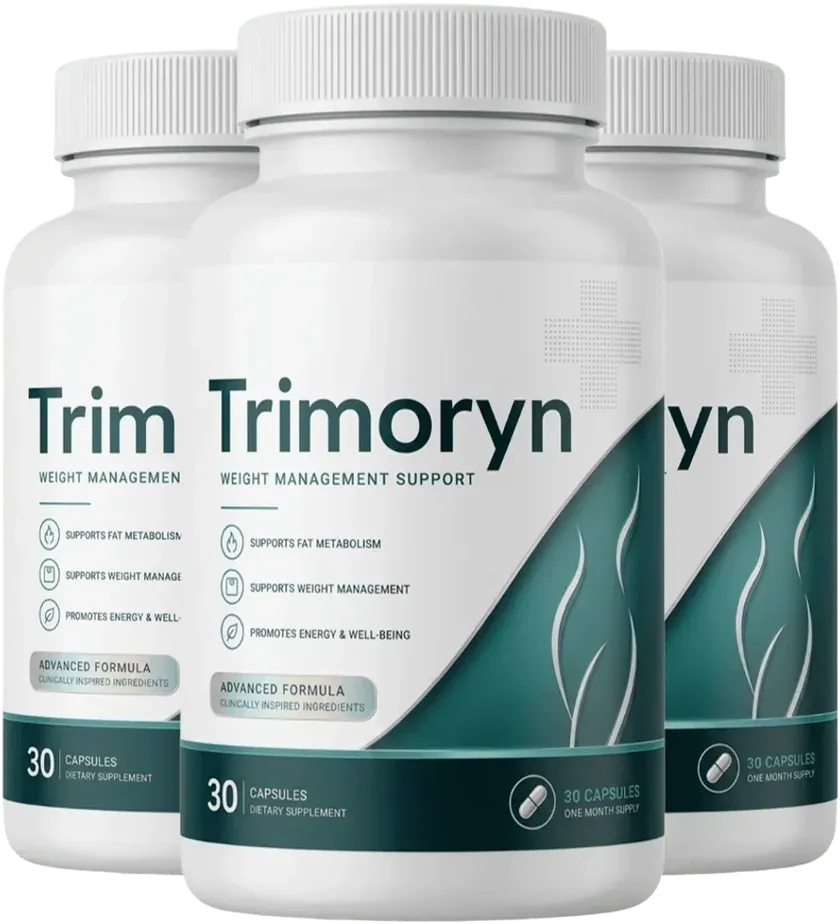
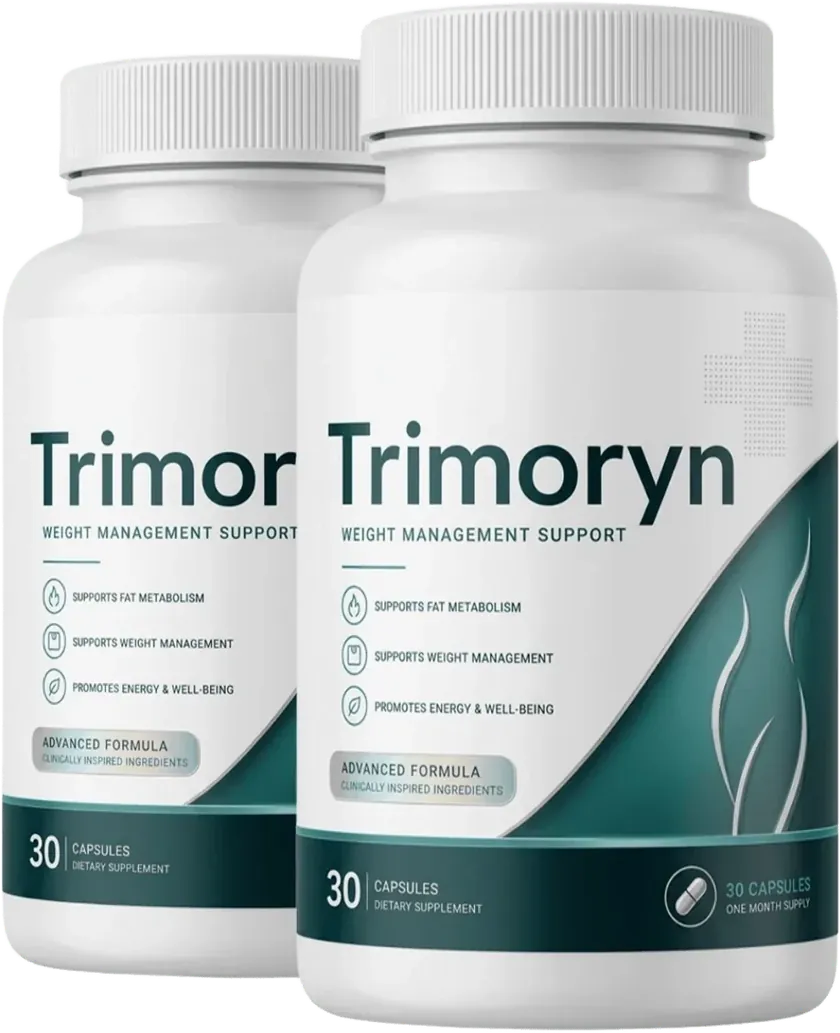
Glucomannan, the soluble fiber in konjac, absorbs water and swells into a gel, which is why it carries a documented choking and blockage hazard at clinical doses. Trimoryn's 45 mg is tiny next to the 3 g/day used in the EU health claim, but the water rule still applies: a full glass, upright, not right before bed.
What glucomannan actually is
Glucomannan is a soluble fiber pulled from the root of the konjac plant, Amorphophallus konjac. Soluble means it dissolves and swells in water rather than passing through mostly intact the way an insoluble fiber like wheat bran does. Trimoryn lists it as Konjac Extract Fiber (Std. 90% Glucomannan), 50 mg, which works out to about 45 mg of actual glucomannan once the standardization percentage is applied.
This guide covers what that swelling actually involves, why the amount of water matters as much as the fiber itself, the documented hazard at clinical doses, and how 45 mg compares with both the research dose and the fiber most people already get from food.
How glucomannan swells, and why the water is not optional
Why it swells, and why that is the whole point
Glucomannan is a long chain of sugar molecules that grabs onto water molecules and holds them, forming a thick gel. Reports vary by preparation, but glucomannan is widely described as one of the most water-absorbent dietary fibers known, capable of swelling to many times its dry weight once it meets enough liquid.
That swelling is the entire reason it is used in weight-management supplements at all: a fiber that expands in the stomach is meant to add bulk and contribute to a feeling of fullness. The mechanism only works the way it is intended when there is enough water present for the fiber to absorb in the first place.
If there is not enough water, the same swelling that is supposed to happen safely in the stomach can happen somewhere it should not, which is the hazard the next section covers.
The documented hazard at clinical doses
Health et al., 2010 is a 2010 government advisory: Health Canada warned that glucomannan tablets, capsules, or powders can swell enough to pose a choking hazard in the throat, or a blockage in the esophagus or intestine, if they are not taken with enough fluid. The advisory specifically recommends at least 8 ounces, about 250 mL, of water or another fluid with every dose, and warns against taking glucomannan products right before lying down.
This is not a theoretical concern invented for a warning label. Glucomannan tablets have been pulled from some markets in the past specifically because of choking and esophageal obstruction reports at the doses used in weight-loss products, which is why the advice to take it with plenty of water, and never dry, shows up on almost every glucomannan product sold today, Trimoryn included.
45 mg against the EU claim dose and the hazard reports
| Amount | Where it comes from | Context |
|---|---|---|
| 45 mg actual glucomannan | Trimoryn, one capsule (50 mg extract at Std. 90%) | About 1/65th of the EU claim dose |
| 3,000 mg (3 g) a day | EU authorized health claim EFSA et al., 2010 | Taken as three 1 g doses, each with 1 to 2 glasses of water, before meals |
| Multi-gram single doses | Case reports behind the Health Canada advisory Health et al., 2010 | The doses tied to documented choking and blockage reports |
Two things are true at once here, and neither cancels the other out. First, 45 mg is a very small amount of fiber, far below the 3 gram EU claim dose, so it is unlikely on its own to cause the kind of swelling problem described in the case reports behind the hazard warning, which involved much larger single doses. Second, the water advice does not become optional just because the dose is small: any glucomannan-containing product, at any dose, is safer taken with a full glass of water than without one, since the advisory's core recommendation is about the habit, not a minimum threshold where risk suddenly starts.
Why 45 mg is a small amount of fiber, not a rounding error
Forty-five milligrams is roughly one sixty-fifth of the 3 g a day dose behind the EU's authorized glucomannan health claim. That claim, based on EFSA et al., 2010, lets a product say glucomannan contributes to weight loss in the context of an energy-restricted diet, but only at 3 grams a day, split into three 1 g doses, each taken with 1 to 2 glasses of water before a meal.
A separate meta-analysis, Onakpoya et al., 2014, pooled 8 of 9 identified randomized trials and found no statistically significant weight-loss benefit from glucomannan even at those larger doses, while also reporting abdominal discomfort, diarrhea, and constipation as adverse events in some trials. So even the gram-level doses used in research have not reliably shown the benefit they were tested for, which puts a 45 mg amount even further from being expected to do the same job.
How much fiber actually comes from food in a day
| Source | Typical fiber content |
|---|---|
| Adult daily fiber target (food-based) | About 25 to 38 grams a day, per general US dietary guidance |
| One cup of cooked lentils | About 15 grams |
| One medium apple with skin | About 4 grams |
| One cup of oatmeal | About 4 grams |
| Trimoryn, one capsule | About 0.045 grams (45 mg) of glucomannan |
This table is not a knock on the capsule; it is scale. A single food serving most people already eat carries far more fiber than this capsule does, and food fiber comes bundled with water content, chewing time, and a meal, all of which affect how it behaves in the gut differently from an isolated extract in a capsule. The point of including glucomannan at 45 mg is not to replace dietary fiber; nothing on this label claims that, and this site would not repeat it if it did.
Practical rules for taking a fiber capsule safely
Take it with a full glass of water
At least 8 ounces, about 250 mL, with the capsule. This is the single most important habit from the Health Canada advisory, and it costs nothing to follow.Stay upright for a few minutes after
Sitting or standing while the capsule and water move through your throat and esophagus gives gravity a chance to help rather than work against you.Do not take it right before lying down
The advisory specifically flags bedtime dosing as higher risk, since lying down slows how quickly a capsule clears the esophagus.Keep capsules away from damp
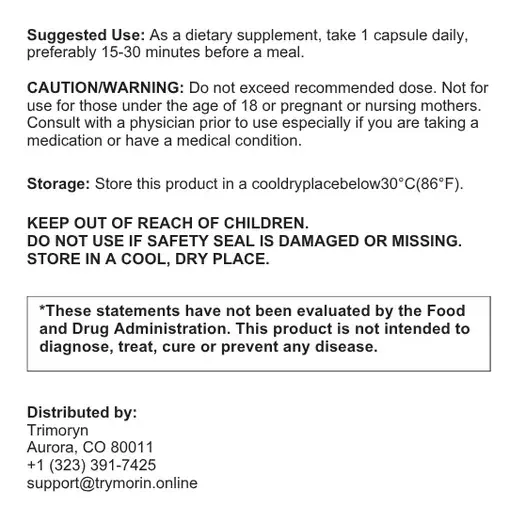
The label's own storage line says to store below 30°C (86°F) in a cool, dry place. A fiber extract that absorbs moisture from the air is exactly the kind of ingredient that should not sit somewhere humid, like a bathroom cabinet near a shower.
Who should be more careful with any glucomannan product
Anyone with swallowing difficulty
The Health Canada advisory specifically calls out anyone with any trouble swallowing as a group that should avoid glucomannan-containing products, regardless of the dose in a single capsule.
Anyone taking it at bedtime
Skip the dose or move it earlier in the day if a full glass of water and staying upright afterward is not realistic right before sleep.
Anyone stacking multiple fiber sources
A fiber supplement taken alongside a high-fiber meal or another fiber product adds up. Spacing them out, with water for each, is the simple fix.
Anyone unsure about a swallowing or digestive condition
Ask a clinician before adding any fiber supplement, this one included, if you have a known esophageal or intestinal condition.
The habit that matters more than the dose
None of this means the capsule is dangerous at the amount printed on this label. Forty-five milligrams is a small fraction of the doses tied to the choking and blockage reports behind the Health Canada advisory, and it is also a small fraction of the 3 gram dose the EU claim is built on. What does not change with the dose is the habit: any product containing glucomannan is safer taken with a full glass of water, upright, and not right before bed, because that is how the fiber is meant to swell, in your stomach with plenty of liquid, rather than in your throat with too little.
For how this fits into the daily routine end to end, see how to take Trimoryn. For how the 45 mg figure was worked out from the printed 50 mg standardized line, see the extract-ratios guide, and for every other interaction on this label, see the side effects page.
Fiber Supplements and Water: common questions
Why does Trimoryn need to be taken with water?
The konjac fiber line, glucomannan, absorbs many times its weight in water and swells into a gel. Taking it with a full glass helps it swell safely in the stomach instead of in the throat.
How much water counts as enough?
Health Canada's advisory recommends at least 8 ounces, about 250 mL, with each dose of a glucomannan-containing product.
Is 45 mg of glucomannan actually dangerous?
The documented choking and blockage reports involve much larger, multi-gram doses. This label's 45 mg is far below those amounts, but the water habit is still worth following at any dose.
Can I take Trimoryn right before bed?
It is better not to. The Health Canada advisory specifically warns against taking glucomannan products right before lying down, since that slows how quickly a capsule clears the esophagus.
How does 45 mg compare to the fiber claim on other products?
The EU's authorized glucomannan health claim is written around 3 grams a day, roughly 65 times this label's 45 mg.
Does glucomannan replace the fiber I get from food?
No. A single serving of many whole foods, like lentils or oatmeal, carries far more fiber than this capsule. Nothing on the label claims otherwise.
Who should avoid a glucomannan supplement altogether?
Anyone with swallowing difficulty, per the Health Canada advisory. Anyone with an esophageal or intestinal condition should also ask a clinician first.
Where should I store capsules with a fiber ingredient?
Somewhere cool and dry, per the label's own storage instructions, and away from damp spots like a bathroom cabinet, since the fiber can absorb ambient moisture.
Keep reading
Order Trimoryn from the authorized retailer
60 servings per bottle, 1 to 2 droppers a day. Kits of 2, 3 or 6 bottles run from $49 a bottle on the sales page, with a 60-day money-back guarantee. Questions first? Call +1 (323) 391-7425.